During the holidays 24-26 December 2024 and 1 January 2025, we are closed on 31 December with reduced opening hours 8:00 — 14:00; other days we will look forward to seeing you from Monday to Friday 8:00 to 16:00.
We wish you a Merry Christmas and Happy New Year 2025!

Import & Logistics
10.4.2026
|
Zdenka Toman
Importing a car from the USA can be the way to get a vehicle that is not offered on the European market at all, has more interesting equipment or works out cheaper than a comparable car in Europe. But it is about much more than just buying a car and shipping it across the ocean.
Ve zkratce
The final cost of an import is the purchase price of the car in the USA plus incidental costs: shipping (roughly USD 1,200–5,200), customs duty (0% from 1 July 2026 for vehicles with documented US origin, otherwise 10%), 21% VAT on the customs value, and the cost of homologation, the roadworthiness test and registration in the Czech Republic. For a typical car, expect incidental costs in the high hundreds of thousands of Czech crowns; we prepare an exact quote for each car individually in advance.
The final price includes transport within the United States, port handling, ocean freight, insurance, customs clearance, VAT, transport from the European port, technical modifications, homologation, the roadworthiness test and registration in the Czech Republic.
What really matters is therefore not just the price of the car in the USA, but above all how much the car will cost once it has been fully imported, modified and properly registered in the Czech Republic.
There is no simple flat-rate answer, and that is exactly why you will not find a calculator on our website. We price every quote individually, because the cost of shipping varies with the car's distance from the port, its size, the chosen shipping method, current ocean freight rates and how busy the ports are.
Shipping a Mustang parked near a port in New Jersey will cost something different from shipping a large RAM pickup that needs to be collected in, say, Texas, California or one of the inland states.
The final cost of an import usually consists of:
Since 1 July 2026, a new EU regime (EU Regulation 2026/1455) has applied, adjusting customs rates for selected goods originating in the United States. Goods that meet the relevant conditions may qualify for a reduced and, in some cases, zero customs rate instead of the previous 10%.
To use it, however, it is not enough that the car was simply bought in the USA or shipped from there. In particular, you need to properly document:
Toman Motors currently uses customs clearance in Germany, where we are able to apply the new regime in practice when the correct documents are presented. For vehicles that meet the conditions, the zero rate is applied instead of the previous 10% duty.
In the Czech Republic, we still see customs proceedings continuing at the original 10% rate. This is not because Germany has a different EU duty from the Czech Republic, as the common customs tariff applies throughout the EU. The difference lies in how prepared individual customs offices are in practice, how origin is assessed and what evidence is required. We believe Czech practice will soon catch up.
That is why it is important to verify, before the car is shipped, whether its US origin can actually be documented. Not every car bought in the USA is necessarily a vehicle of US origin.
This is what customers most often confuse: even with zero duty, 21% VAT is payable. It is calculated from the customs value of the vehicle, which usually includes:
How VAT is settled depends on the country of clearance, the importer's status and the chosen customs and tax procedure. For a private Czech customer, the key point is that VAT remains a significant part of the final price even when the duty is zero. Customs clearance is then followed by homologation, the roadworthiness test and registration.
The exact price cannot be set simply as a percentage of the purchase price, because every vehicle differs in location, size, condition and homologation requirements. The following calculation shows roughly what to expect when shipping by container, and above all what difference the place of customs clearance makes.
| Item | Cleared in Germany | Cleared in the Czech Republic |
|---|---|---|
| Purchase price of the car | USD 40,000 | USD 40,000 |
| Transport within the USA (enclosed truck) | USD 1,000–1,200 | USD 1,000–1,200 |
| Ocean freight and insurance | USD 3,000–4,000 | USD 3,000–4,000 |
| Customs value | USD 44,000–45,200 | USD 44,000–45,200 |
| Customs duty | 0% | 10%, i.e. USD 4,400–4,500 |
| 21% VAT (on customs value and duty) | USD 9,200–9,500 | USD 10,200–10,400 |
| Handling fees and customs clearance | approx. CZK 15,000 | approx. CZK 15,000 |
| Homologation, modifications, roadworthiness test and registration | CZK 40,000–50,000 excl. VAT | CZK 40,000–50,000 excl. VAT |
Clearing customs in Germany therefore saves you roughly USD 5,300 to 5,500 on duty and VAT. Zero duty can only be applied to vehicles with documented US origin and direct shipment from the USA. Duty is converted at the customs exchange rate, so the final amount in Czech crowns may differ slightly.
A serious quote must therefore always state what exactly is included in the price and to which location the price applies. We will prepare an exact quote for your specific car in advance and free of charge.
An import usually pays off in several situations.
Typical examples are RAM and Dodge vehicles, some Ford, Chevrolet, Cadillac and Lincoln models, and high-performance or limited editions of American cars. With a car like this, the main reason is not just a lower price: the customer gets a car with limited availability in Europe and often a higher future value.
The American market offers many times more vehicles, engines, trims and colour combinations. Customers do not have to choose from just the few cars that happen to be in Europe right now.
With more expensive, high-performance or specialised vehicles, the difference between the American and European price can cover shipping, taxes and homologation and still remain attractive. You do, however, need to compare genuinely comparable prices: an American listing price usually does not include shipping to Europe, VAT, technical modifications or Czech registration.
An import also makes sense when a customer is looking for an exact configuration: a specific engine, colour, trim, body style or limited edition. On the other hand, with cheap, everyday cars, shipping, VAT, modifications and paperwork can wipe out the price advantage entirely.
The first step is choosing the right car. You need to check:
With an auction car, you also need to assess the type of damage and the extent of repairs correctly. The damage description in an auction may not match exactly what will actually need repairing once the car arrives.
After the checks, the car is bought from an authorised dealer, a used car dealer, a private owner or at auction. Already at this stage, you need to make sure the seller has the original Title and that it can be used for export. A missing, incorrect or restricted Title can significantly delay the export, make it more expensive or make it impossible altogether.
The car has to be taken from the seller to a warehouse or port. Options include an open truck, an enclosed truck, individual transport or towing for a non-running vehicle. For expensive, classic or sensitive cars, we recommend enclosed transport, as the vehicle is better protected from the weather, stone chips, dirt and damage along the way.
For a non-running or damaged car, you need to state in advance whether it can move under its own power, whether it can be put in neutral, whether the brakes work and whether the wheels turn.
Every ship has a cut-off, the last date for delivering the vehicle and documents. By then, the following in particular must be ready: the original Title, the purchase contract or invoice, the seller's and buyer's details, export documentation, a power of attorney, shipping instructions and, where applicable, documents proving the vehicle's origin. If the documents are incorrect or arrive late, the car may not be accepted onto the planned ship.
Exporting a car from the USA is subject to customs control. US authorities check in particular the vehicle's ownership, VIN and original Title. The documents must be submitted to customs within a set deadline before export. This part of the process is often underestimated: a mistake in the owner's name, the VIN, a signature or the Title transfer can mean waiting for the next ship, which usually means a delay of several weeks.
Before loading, the car is photographed, its condition is checked and the way it is secured is verified. Inside the container, the vehicle must be fastened securely so that it does not move during the sea voyage. Non-running vehicles, cars with damaged wheels, low sports cars, large pickups and vehicles with loose or removed parts require special attention. Parts stored inside the car must be secured, as loose items can damage the interior or windows during the voyage.
After loading, the container is taken to the terminal and loaded onto the ship. The voyage itself is usually not the only time factor: the total time also includes waiting for the cut-off, port handling, any transshipments, waiting for a connecting vessel, unloading, customs clearance and container release. The ship's arrival date is always an estimate and can change due to weather, port congestion, technical problems or changes to the shipping route.
It is therefore always wise to insure the shipment, not least because of the so-called General Average. We explain what it is and why it can affect you even if your car arrives intact in our article General Average: why you may end up paying for someone else's cargo.
When the ship arrives, the container is unloaded, handled at the port and the documents are checked. You need to keep an eye on the deadlines for collecting the shipment: if the container or vehicle is not released in time, storage and other port fees start to accrue. These fees can rise quickly when documents are missing.
During customs clearance, the documents submitted include the invoice or purchase contract, proof of payment, transport documents, the Title, documents on the vehicle's value, documentation of origin and a power of attorney for customs representation. Customs may scrutinise the declared value, so a heavily undervalued invoice is not a solution but a risk. Customs can request the payment, auction records, the listing or other documents and adjust the customs value.
Once properly released for free circulation, the vehicle can move freely within the European Union. If a car is properly released for free circulation in Germany, for example, no import duty is paid a second time when it is moved to the Czech Republic, because the free movement of goods after release for free circulation is one of the basic principles of the customs union.
Once customs clearance is complete, we arrange transport of the vehicle from the port or warehouse to Toman Motors. On receipt, we check the car's condition, any transport damage, the number of keys, the documentation, fluids, tyres and wheels, and whether the basic systems work. Damaged vehicles then undergo detailed diagnostics and we draw up the scope of the necessary repairs.
American vehicles are not automatically ready for registration in the Czech Republic. Depending on the model, modifications may be needed to the headlights, rear lights and indicators, rear fog light, wiring, side marker lights, speedometer, glass markings, seat belts, tyres, exhaust system, noise levels, emissions systems, tow bar or some driver assistance features. You will find more details on our Homologation page.
The extent of the modifications varies with the model, year of manufacture and available technical documentation. The fact that the same model has been registered in the Czech Republic before does not mean that every other example will automatically pass in the same way.
If the vehicle does not have European type approval valid throughout the EU, a decision by the relevant authority approving the technical roadworthiness of an individually imported vehicle may be required. Among the documents required for registration, the Czech Ministry of Transport lists proof of technical roadworthiness, the necessary technical documentation and proof of a technical inspection. Only once the technical modifications, measurements, homologation and roadworthiness test are complete can the car be properly entered in the Czech vehicle register.
An auction car is not automatically a bad buy. You do, however, need to know its true condition and calculate the repair correctly. Unfortunately, a low auction price often means the vehicle has been in an accident, flooded, damaged by fire, stolen and later recovered, is not running, has no keys, has mechanical or wiring damage, has deployed airbags or comes with a problematic Title.
Auction photos usually show only visible damage. Beneath the bumper or bodywork there may be damaged chassis rails, radiators, suspension, steering, wiring looms, sensors, airbag modules, the high-voltage system on electric cars, the engine or the gearbox. After arrival, it may therefore turn out that the repair is more extensive than the photos suggested.
With a flooded car, the interior may look clean at first glance. Water, however, can cause long-term problems with the electronics, connectors, control units, wiring, corrosion and safety systems. Such faults may not show up straight away.
You need to distinguish between, for example, a Clean Title, Salvage Title, Rebuilt Title, Flood Title, Junk Title, Parts Only and Certificate of Destruction. Some of these documents can significantly complicate or prevent export, homologation or registration. A vehicle designated for parts only in the USA may not be legally registrable in the Czech Republic.
The market is full of offers quoting only the price of shipping to Germany or another European port. Such an offer may not include unloading the container, port handling, storage, customs representation, duty, VAT, transport to the Czech Republic, homologation, technical modifications, the roadworthiness test or registration. The customer then knows the price of just one part of the journey, but not what the car will cost once it is ready to drive.
One of the biggest risks with imported American vehicles is incomplete or poorly executed homologation. Some cars are modified just enough to pass the first inspection. The modifications may not meet long-term requirements or may not be correctly recorded in the documentation. The problem can then surface only years later, at the next regular roadworthiness test.
A car may have been assessed at its first registration on the basis of incomplete or incorrect data. At the next inspection, the technician finds, for example, non-compliant headlights, missing European approvals for the lights, the wrong indicator colour, a non-working rear fog light, a mismatch between the VIN and the manufacturer's plates, incorrect tyre sizes, an unapproved tow bar, a discrepancy between the actual condition and the register, an illegal exhaust modification or an incorrectly recorded weight. The owner then has to sort out the missing documentation and modifications after the fact, which can be considerably more expensive than doing it right at the first registration.
Some offers promise simple registration via another EU country. Foreign registration on its own, however, does not guarantee that the car's technical condition and documentation will be accepted without issues in the Czech Republic.
At Toman Motors, we handle the complete import of a car from the USA, from the initial selection right through to handover to the customer. Our goal is not just to get the car to a port or to Germany. The result should be a car that is properly cleared through customs, technically modified, homologated and ready for registration and use in the Czech Republic. You will find more details on our Car Import page.
How we work together:
Importing a car from the USA can be good value and can open the way to an exceptional car. A successful import, however, depends on a properly checked vehicle, complete documents, quality logistics, correct customs clearance and professionally executed homologation.
The biggest risk comes from offers that show only the American purchase price or the price of shipping to a European port. The real result only becomes clear from the amount for which the car is properly delivered, cleared through customs, modified and registered in the Czech Republic.
At Toman Motors, we handle the whole process in one place, from choosing the car in the USA through purchase, shipping and customs clearance to servicing, homologation and Czech registration. That way, the customer knows from the start who is responsible for each part of the import, where the car will be delivered and what needs to be done for it to drive safely and legally on Czech roads.
Many of our customers came to us in complete despair: their car was sitting idle in a German or Dutch port, and the carrier that had handled the shipping from America had washed its hands of them. No wonder. It had taken the easier and more lucrative part, collecting the car from the seller and the sea leg, along with the fee, and left the harder, more painful and time-consuming part at the port to us.
And on top of that, I end up looking like the villain for asking the customer to pay port fees, storage or, heaven forbid, a container scan by German customs, in which an officer verified that the goods declared in the documents really were on board. None of that was in the price they were quoted, was it? So I understand the frustration, and my unpopularity. :-)
If you have had a similar experience, please share it with us, I would really appreciate it. And if you would like to know anything else about the topic, do not hesitate to get in touch.
On top of the car's price, add shipping (roughly USD 1,200–5,200), customs duty (0% with proven US origin, otherwise 10%), 21% VAT and the cost of homologation and registration. We will prepare an exact quote for the total price in advance and free of charge, with no hidden items.
Since 1 July 2026, vehicles with properly documented US origin and direct shipment can benefit from a 0% duty rate under EU Regulation 2026/1455. If the origin cannot be proven, the 10% rate applies. We assess whether zero duty is possible for each car in advance. Please note that Czech customs offices do not yet apply the zero rate in practice.
Yes. 21% VAT is always payable and is calculated from the customs value of the vehicle, meaning the price of the car including shipping, insurance and any duty. Zero duty does not mean a tax-free import.
It always depends on the human factor, which unfortunately remains the Achilles' heel of everything. In the summer months, for example, when customs officers, registry clerks, mechanics and electricians involved in homologation and registration are on holiday, the whole process can stretch to 12–16 weeks.
You can, but bear in mind that the hardest part starts at the European port: customs clearance, proof of origin, homologation and registration. That is exactly where we most often take over cars from customers who were left stranded by a “cheap” carrier. We are also happy to help with just part of the process.
The Title is the US document proving ownership of a vehicle. Its type (Clean, Salvage, Rebuilt, Flood…) has a major impact on whether the car can be exported, homologated and registered in the Czech Republic. A vehicle with a “Parts Only” Title may not be registrable in the Czech Republic at all. Checking the Title is therefore one of the first steps of every vehicle check.

american-cars
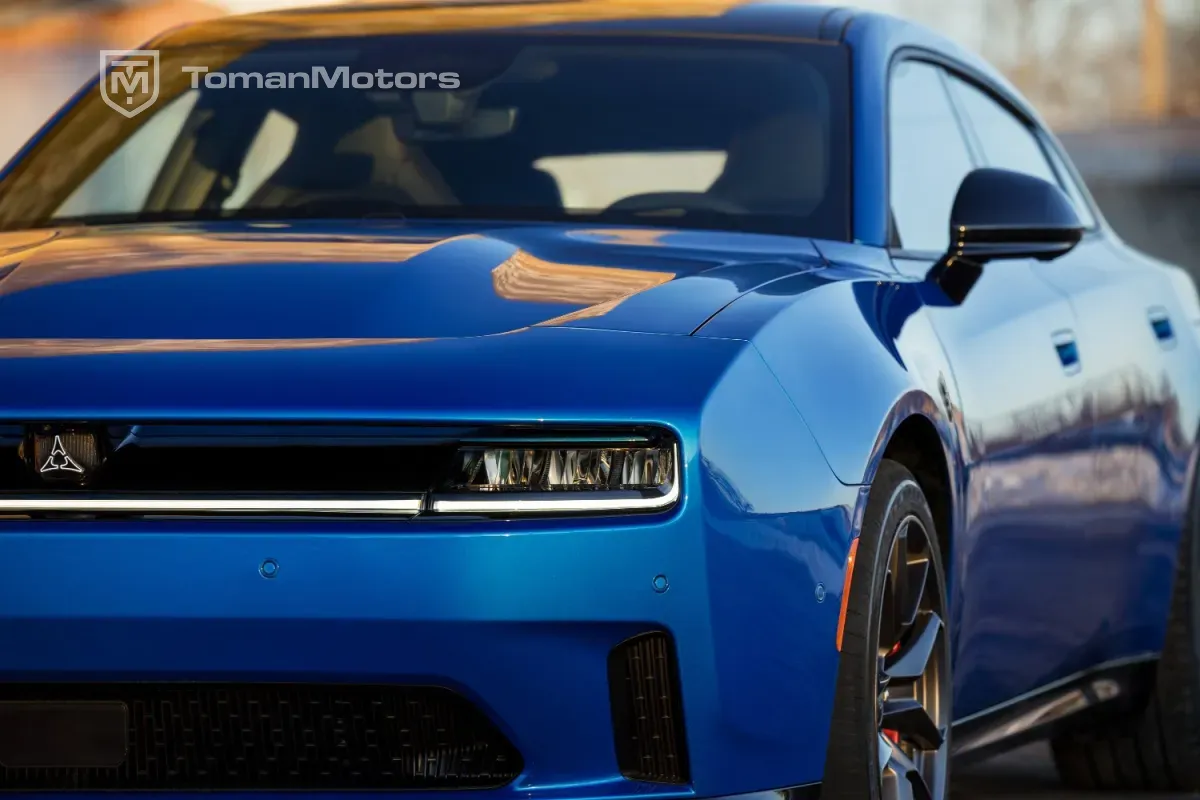
In Transit
Dodge Charger SixPack ScatPack 550Hp/670Nm, 4-door, 4x4, 2026, arriving within 14 days
american-cars
nova-vozidla
family-cars
sports-cars

Partner Stock
Dodge Durango R/T HEMI 5.7L V8, Tow N Go, Brembo brakes, one owner, only 13,000 km, 2026
american-cars
family-cars
sports-cars
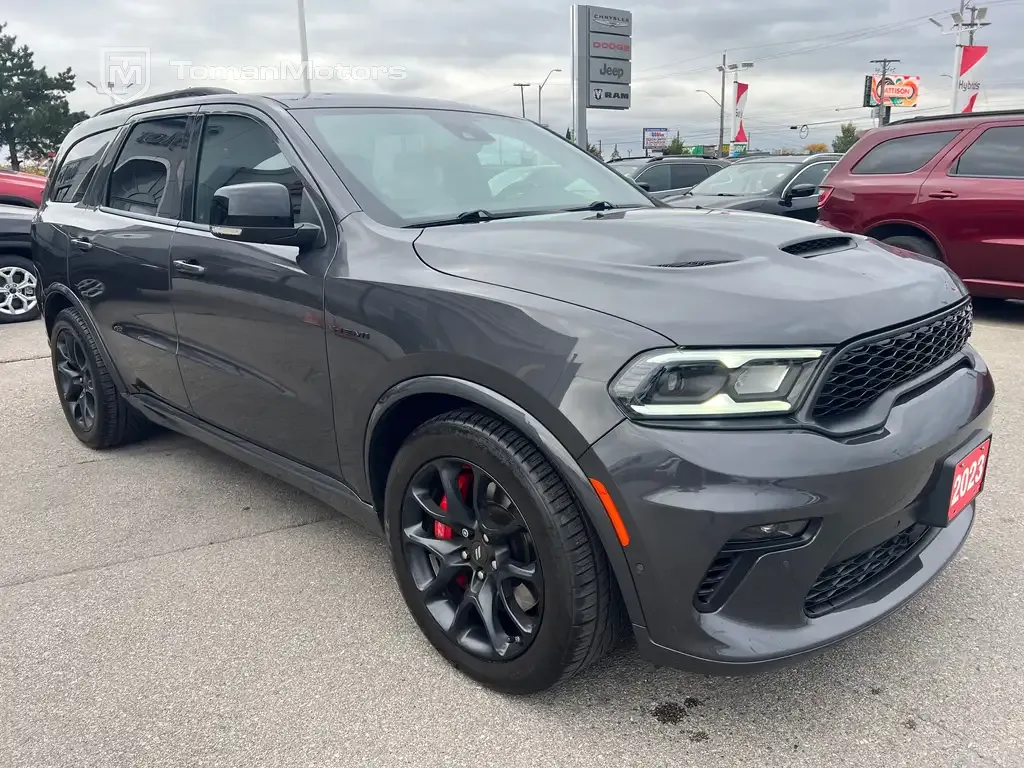
In Transit
Dodge Durango R/T HEMI 5.7L V8, Tow N Go, SRT brakes, one owner, 2023
american-cars
family-cars
sports-cars
vozy-z-aukce
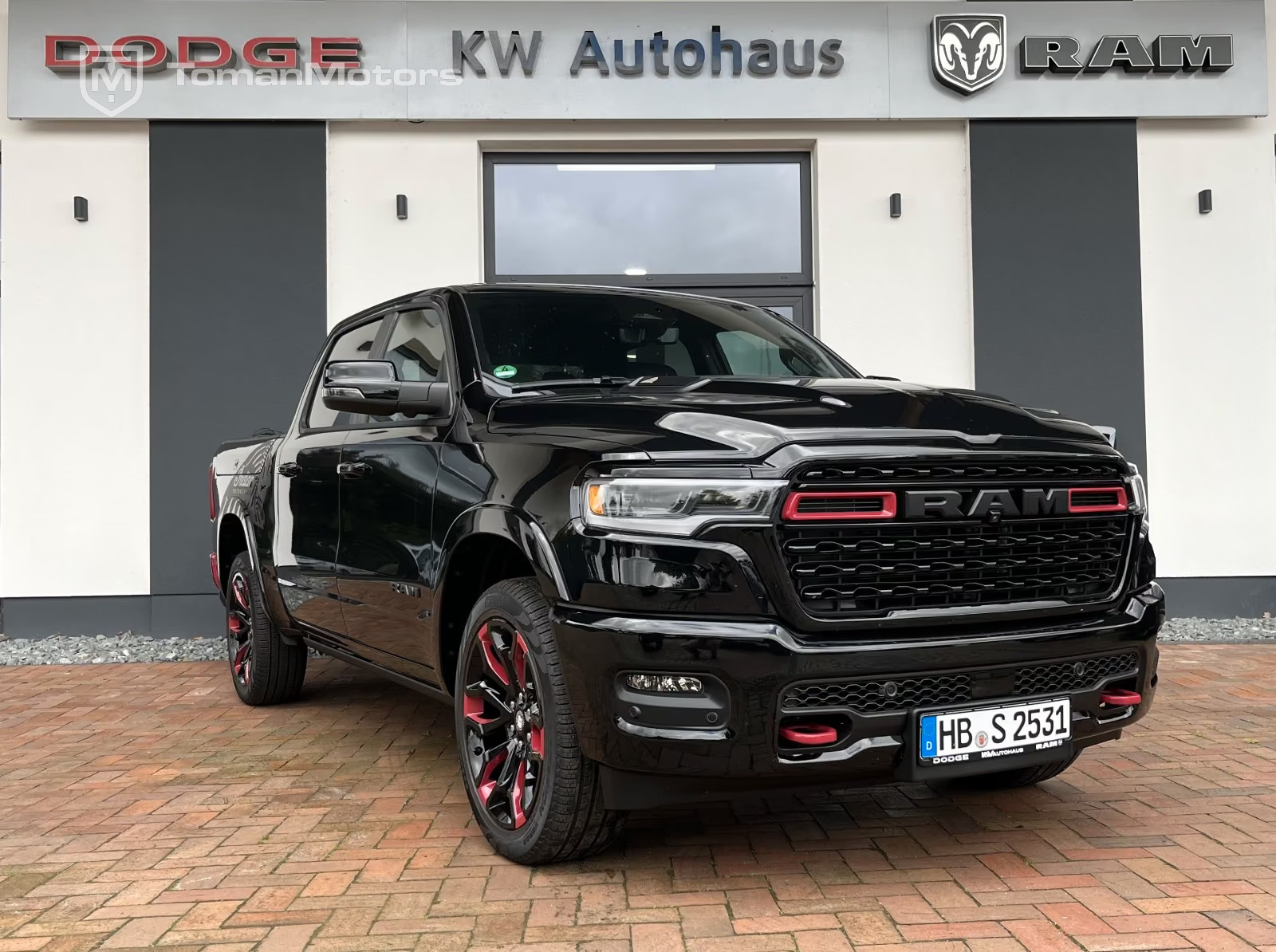
In Transit
RAM 1500 Hurricane Limited Harley-Davidson Edition 540 HP, RamBox, 7,000 km, 2024, demonstrator
american-cars
nova-vozidla
family-cars
sports-cars
off-roaders
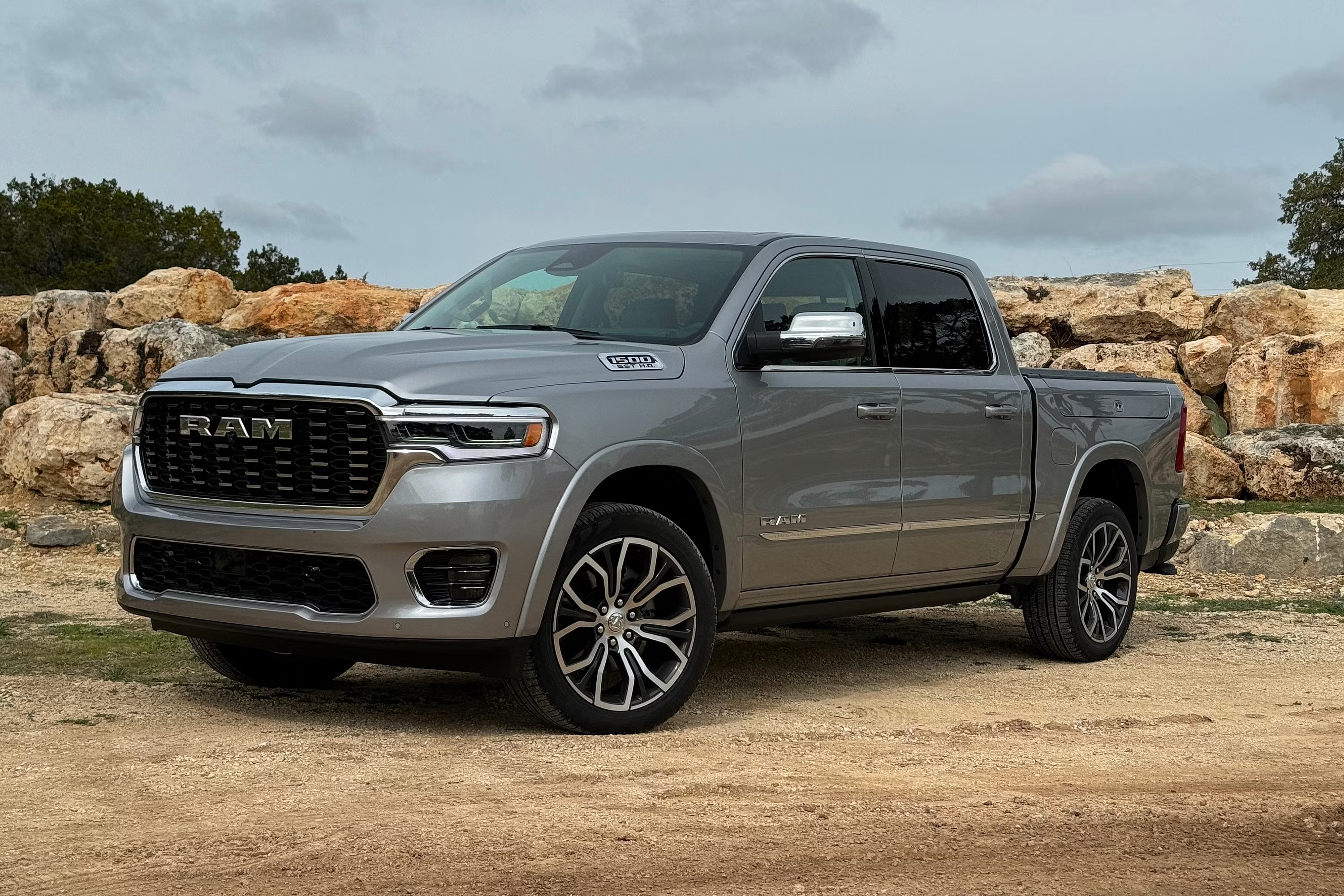
In Transit
RAM 1500 Longhorn Limited HEMI V8, RamBox, new, 2026
american-cars
nova-vozidla
family-cars
off-roaders
In Transit
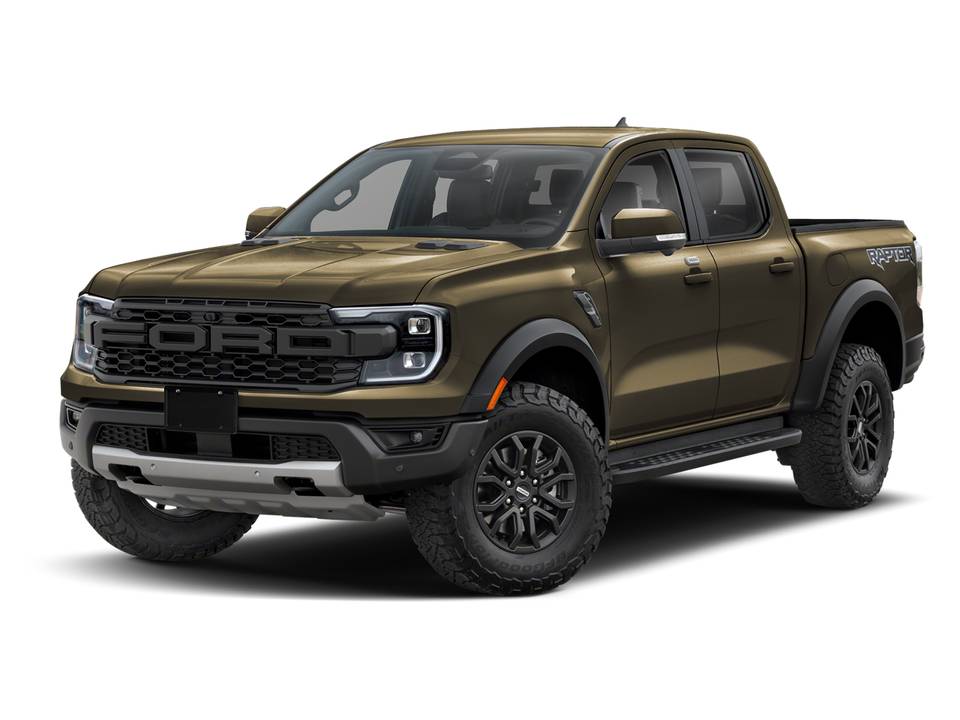
Ford Ranger Raptor, Shelter Green, 2026, another one on its way
american-cars
nova-vozidla
family-cars
sports-cars
off-roaders
In Stock
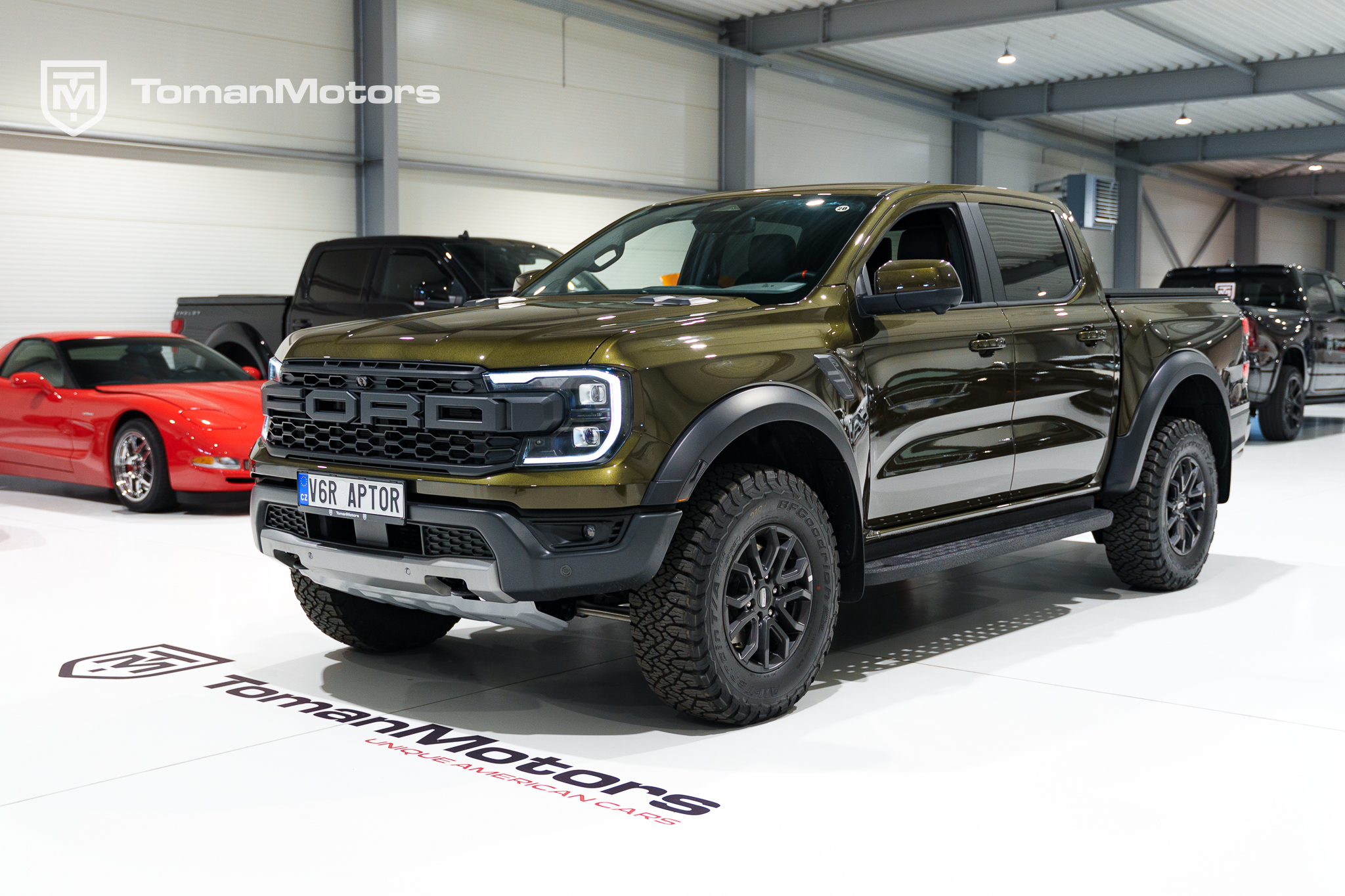
Ford Ranger Raptor 418 HP, Shelter Green, new 2026
american-cars
nova-vozidla
family-cars
sports-cars
off-roaders
In Stock
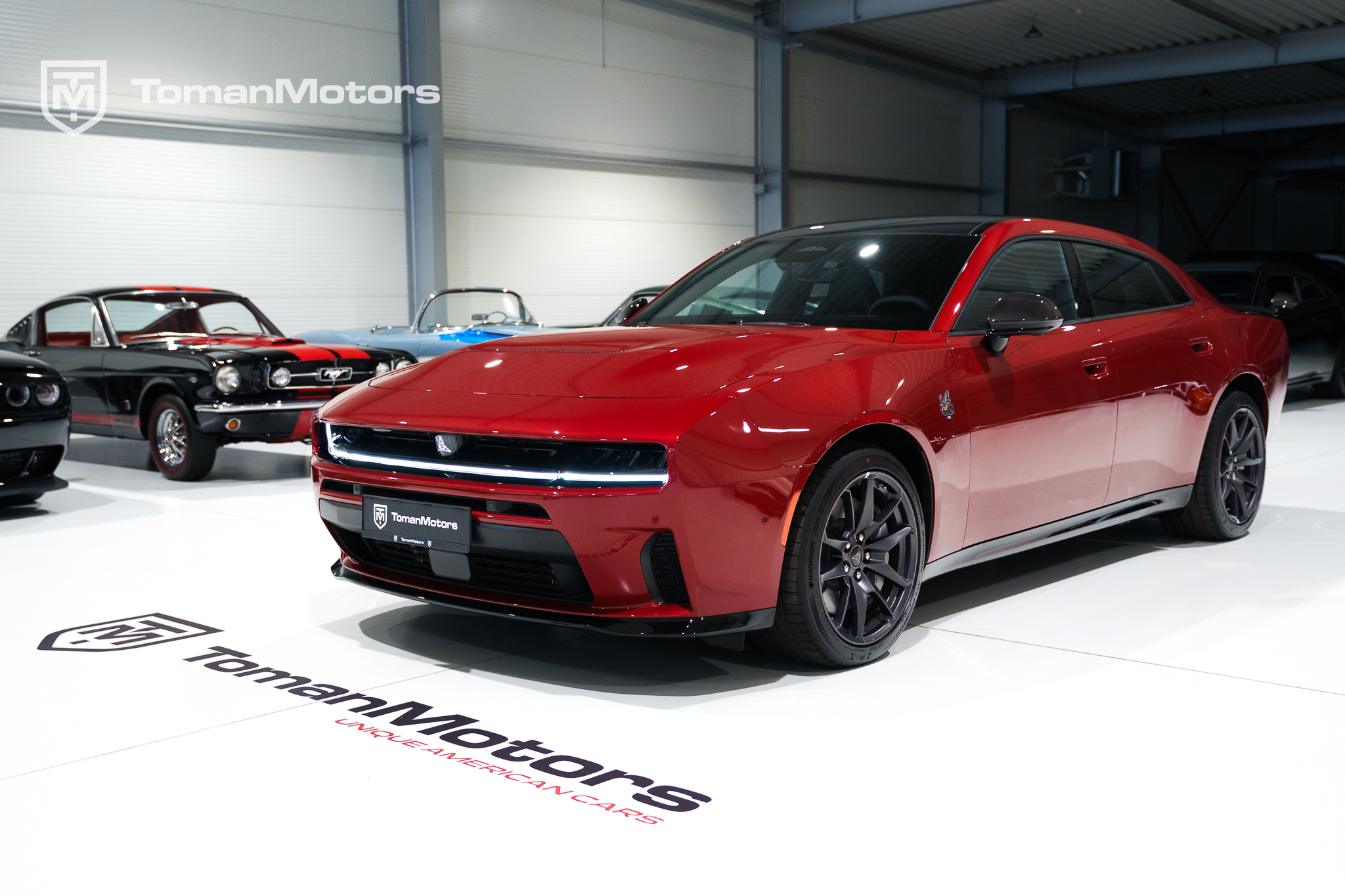
Dodge Charger 4x4 Sixpack Scat Pack, Launch Package, Performance Seats, 550 HP, 4-door, new 2026, available now
american-cars
nova-vozidla
family-cars
sports-cars
In Stock
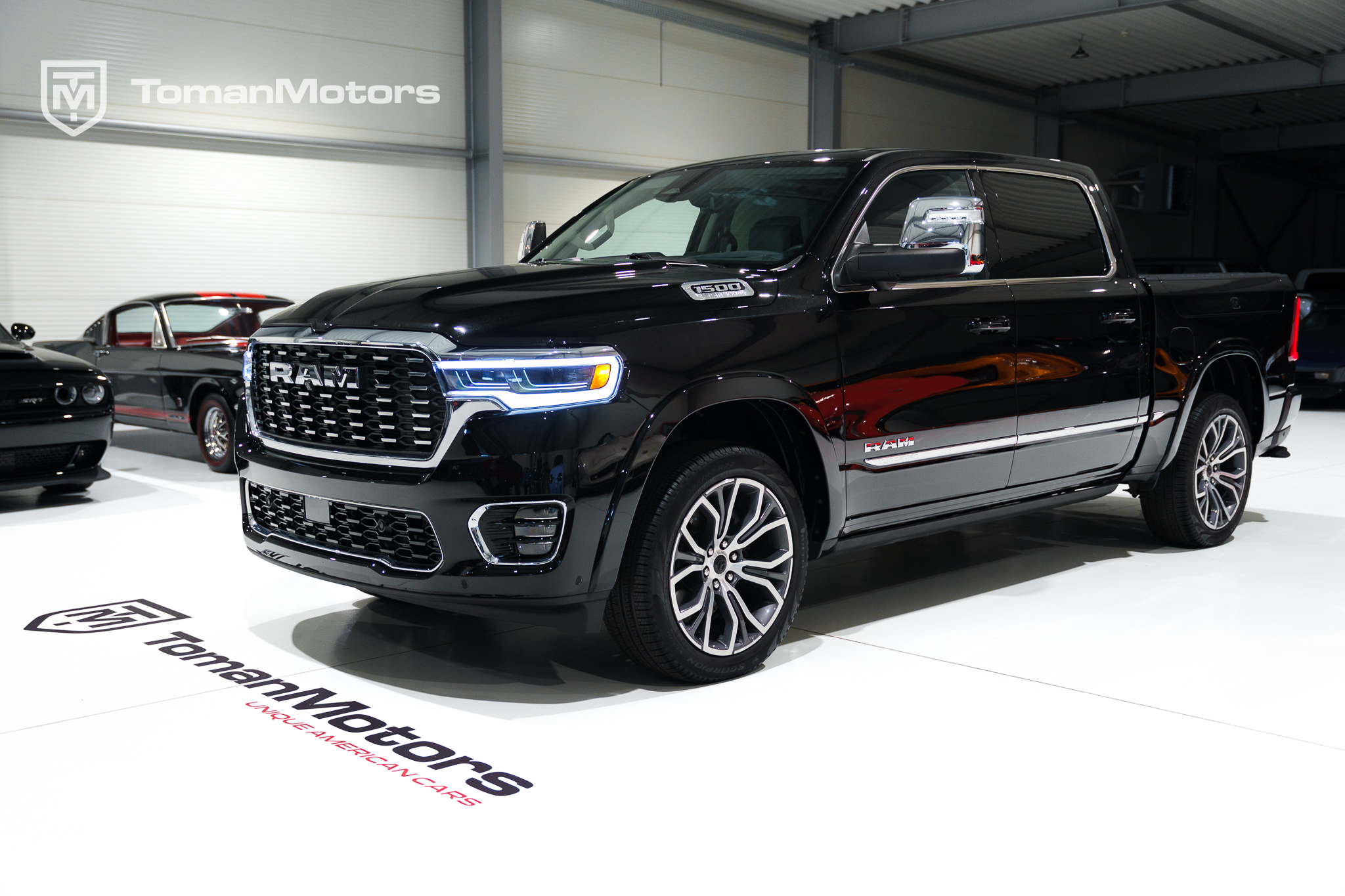
RAM 1500 Tungsten 540 HP, the most luxurious RAM ever, light interior, LPG, Axle Lock, RamBox, new, available now
american-cars
nova-vozidla
family-cars
sports-cars
off-roaders
In Stock
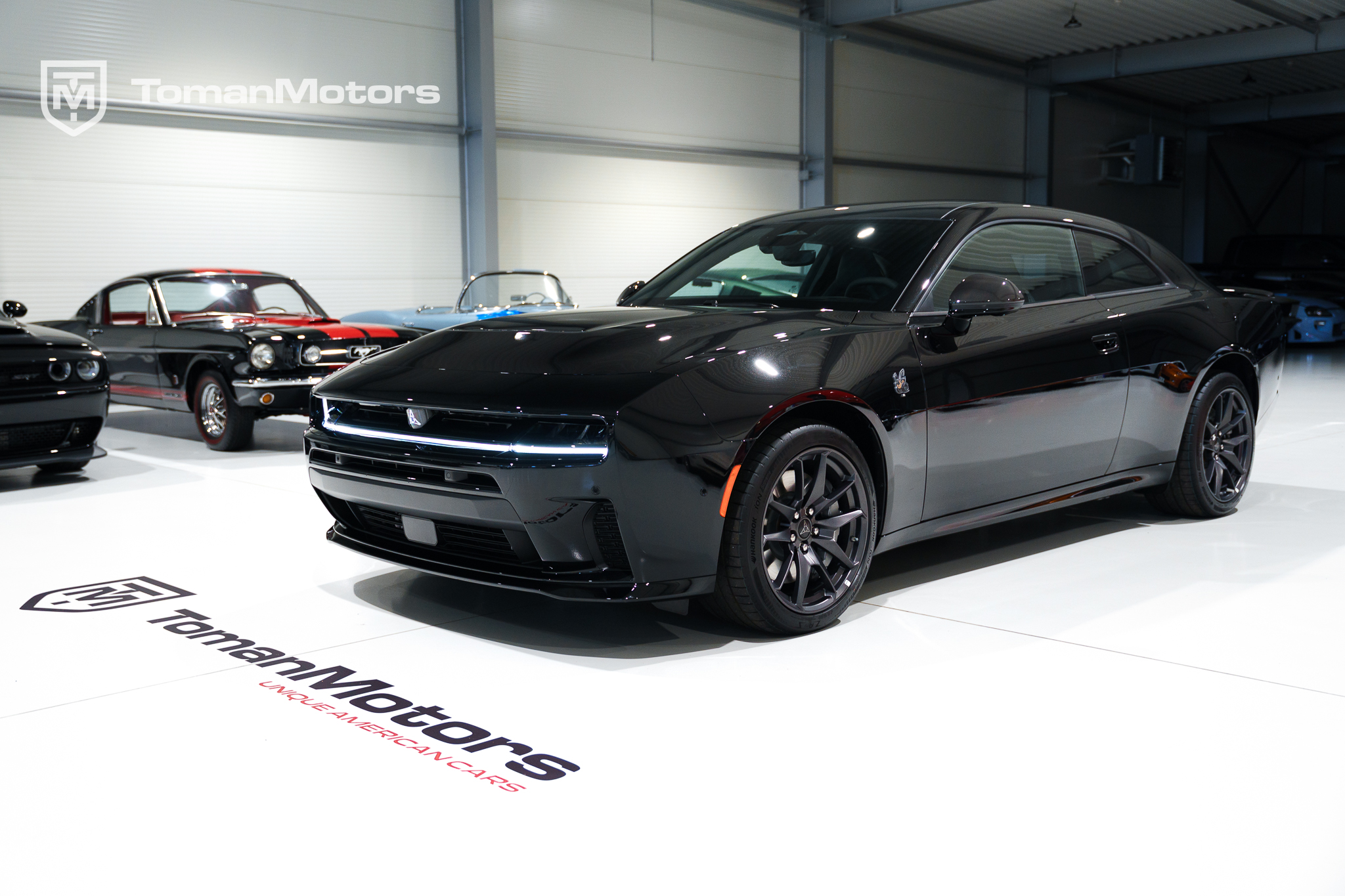
Dodge Charger 4x4 Sixpack Scat Pack, Launch Package, Performance Seats, 550 HP, new 2026, available now
american-cars
nova-vozidla
family-cars
sports-cars
Partner Stock
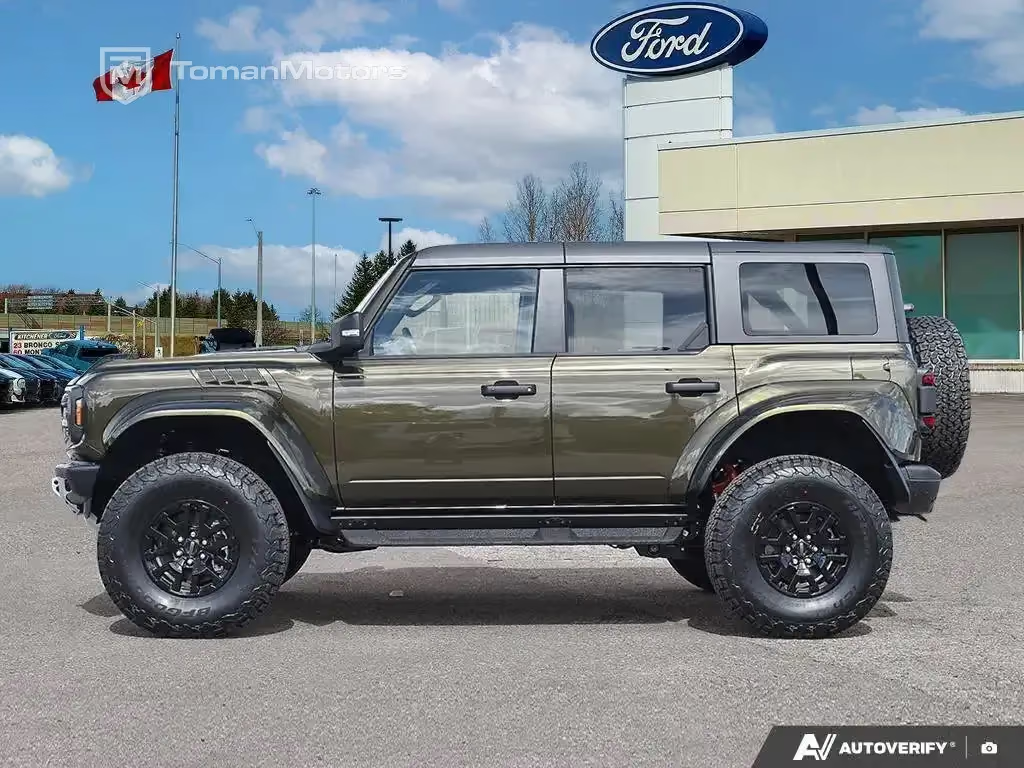
Ford Bronco Raptor 4x4, 2026, new
american-cars
family-cars
sports-cars
off-roaders
In Stock
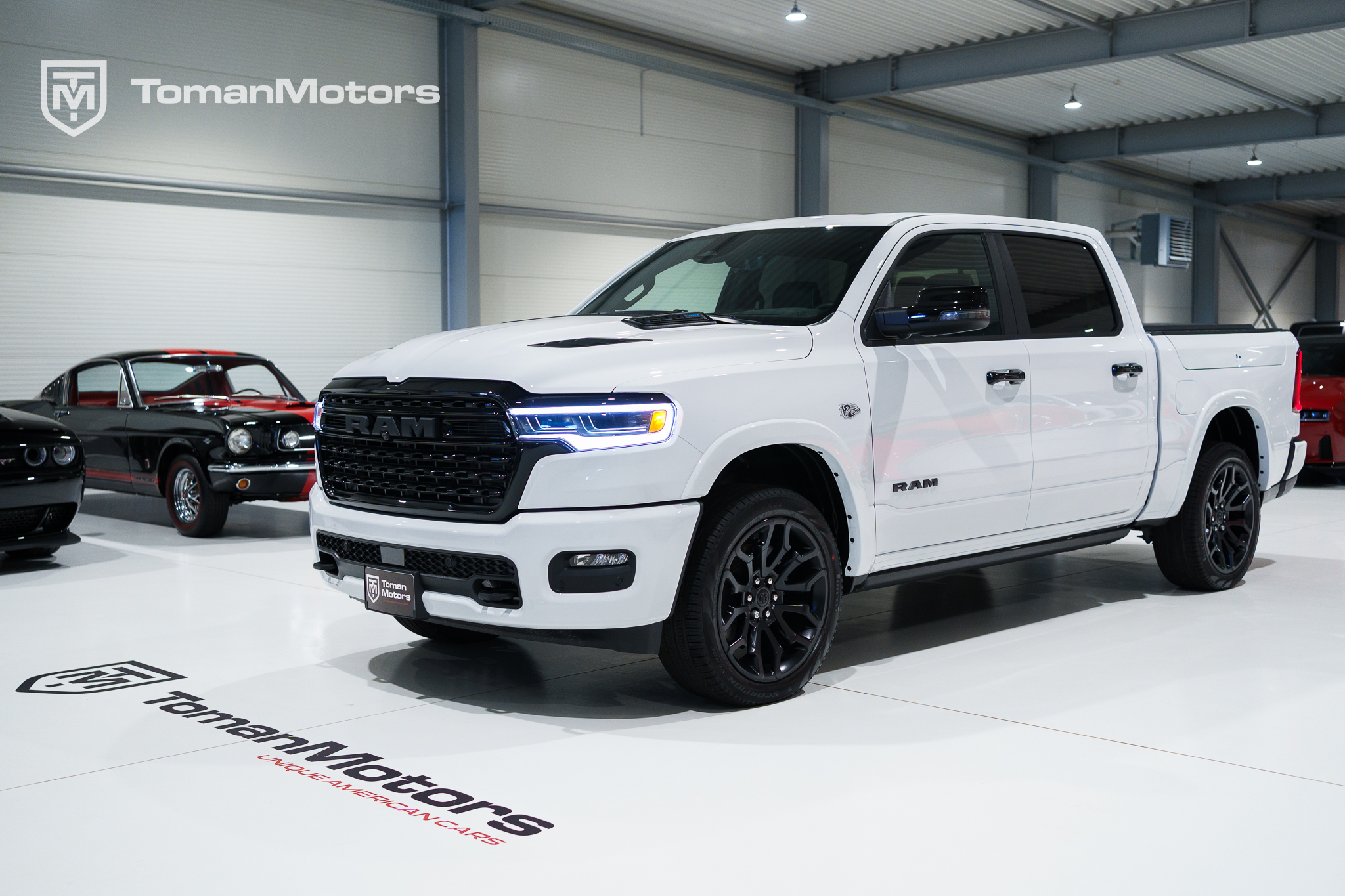
RAM 1500 Limited Night HEMI V8, White, RamBox, 2026, available now
american-cars
nova-vozidla
family-cars
sports-cars
off-roaders
Partner Stock
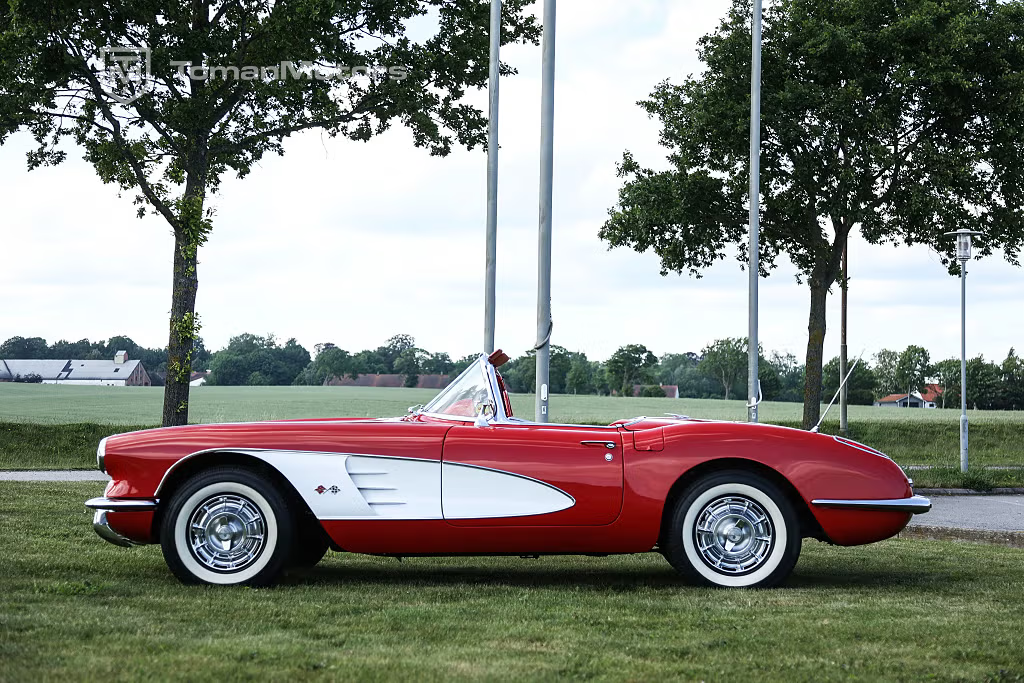
Corvette C1 Convertible V8, Red on Red, the most beautiful C1 generation, 1960
american-cars
family-cars
sports-cars
veterans
In Stock
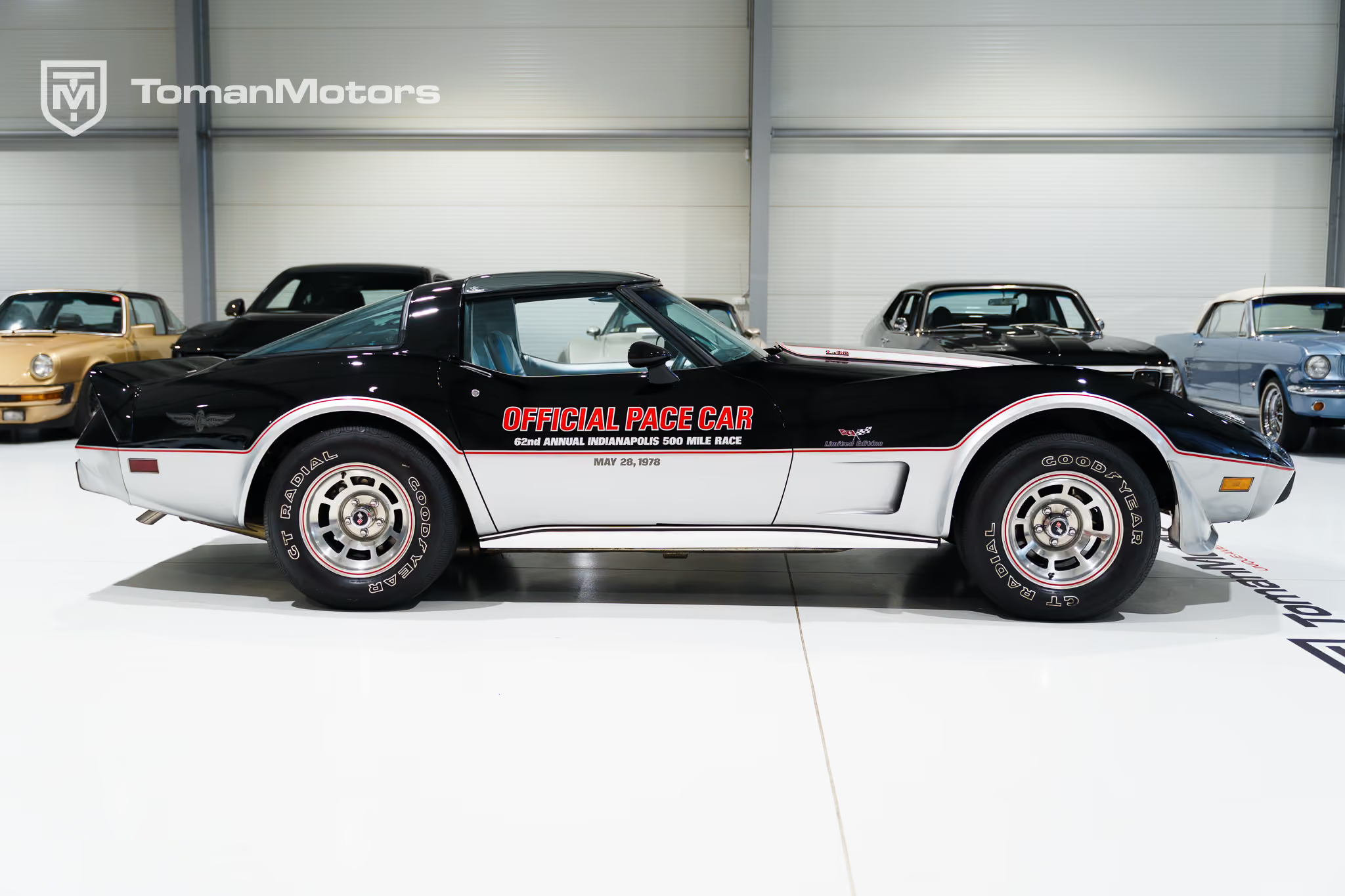
Corvette Pace Car, 100% original, manual, L82 engine, only 1,100 miles, 1 of 202 built, 1978, from the Toman Motors collection, a rarity
american-cars
family-cars
sports-cars
veterans
In Stock
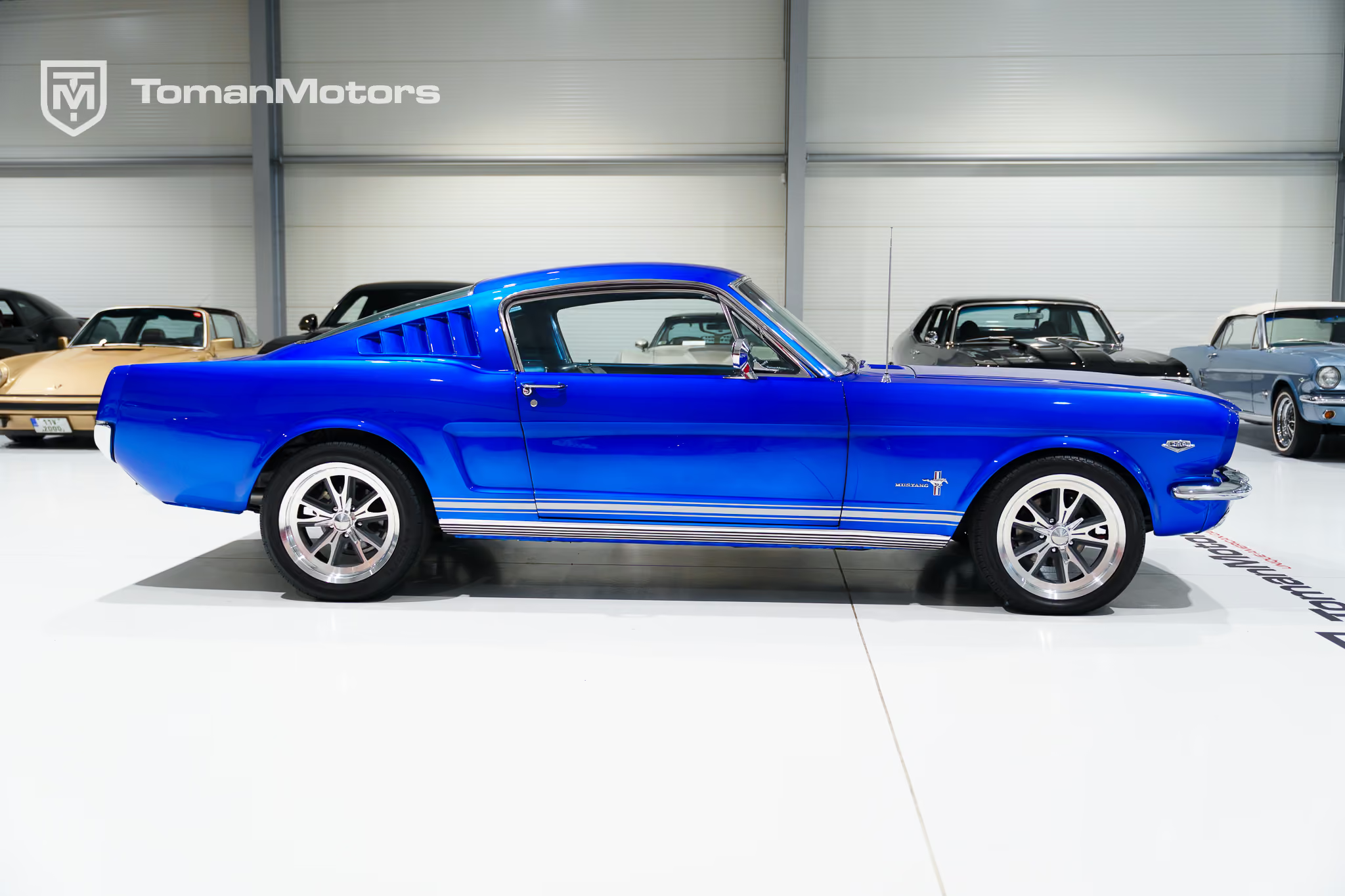
Ford Mustang Fastback, manual, A-code, 1966, from the Toman Motors collection, a rarity
american-cars
family-cars
sports-cars
veterans
In Stock
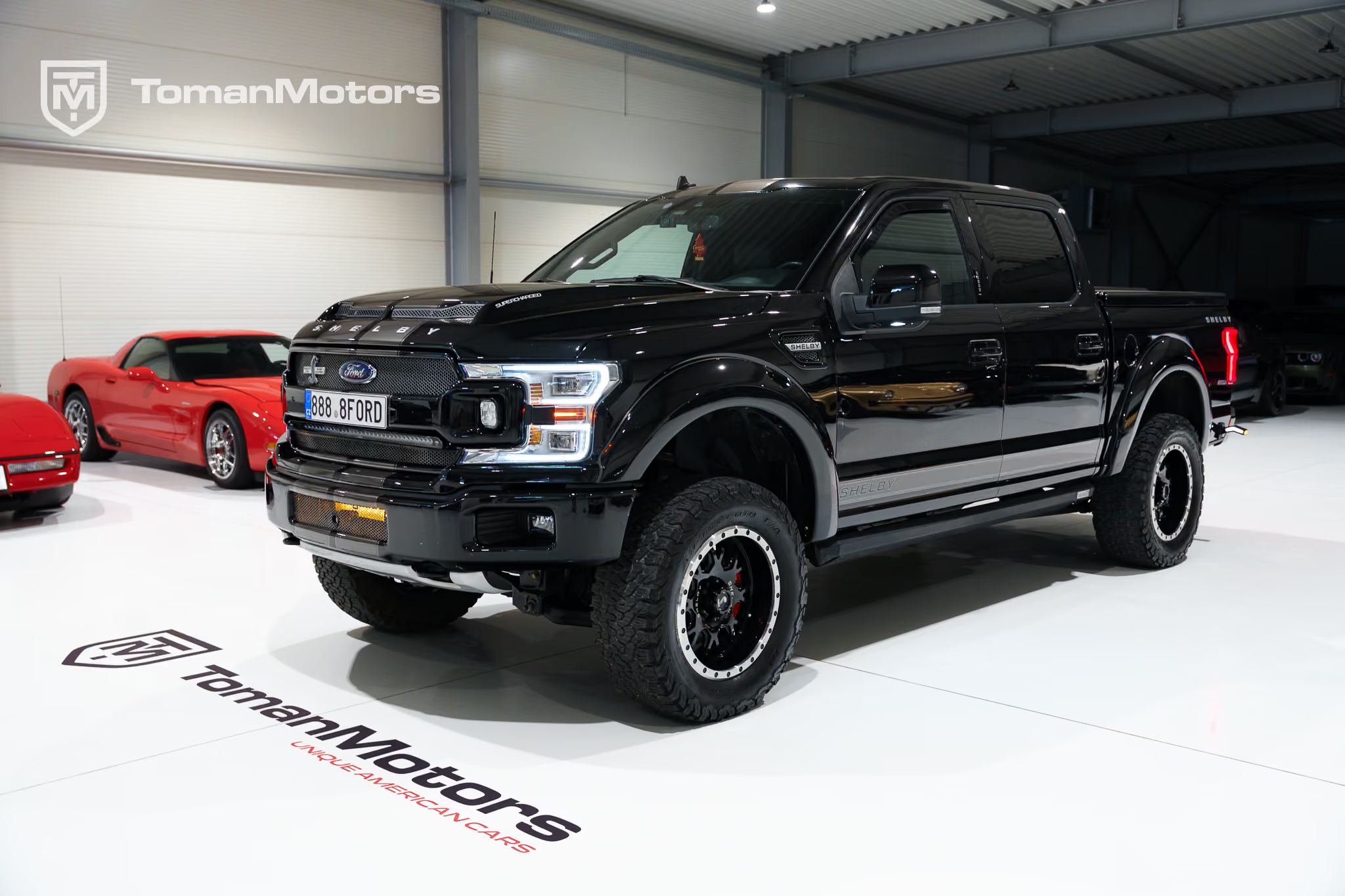
Ford F-150 Shelby 780 HP, sold new in the Czech Republic, 2020
american-cars
family-cars
sports-cars
off-roaders
In Stock
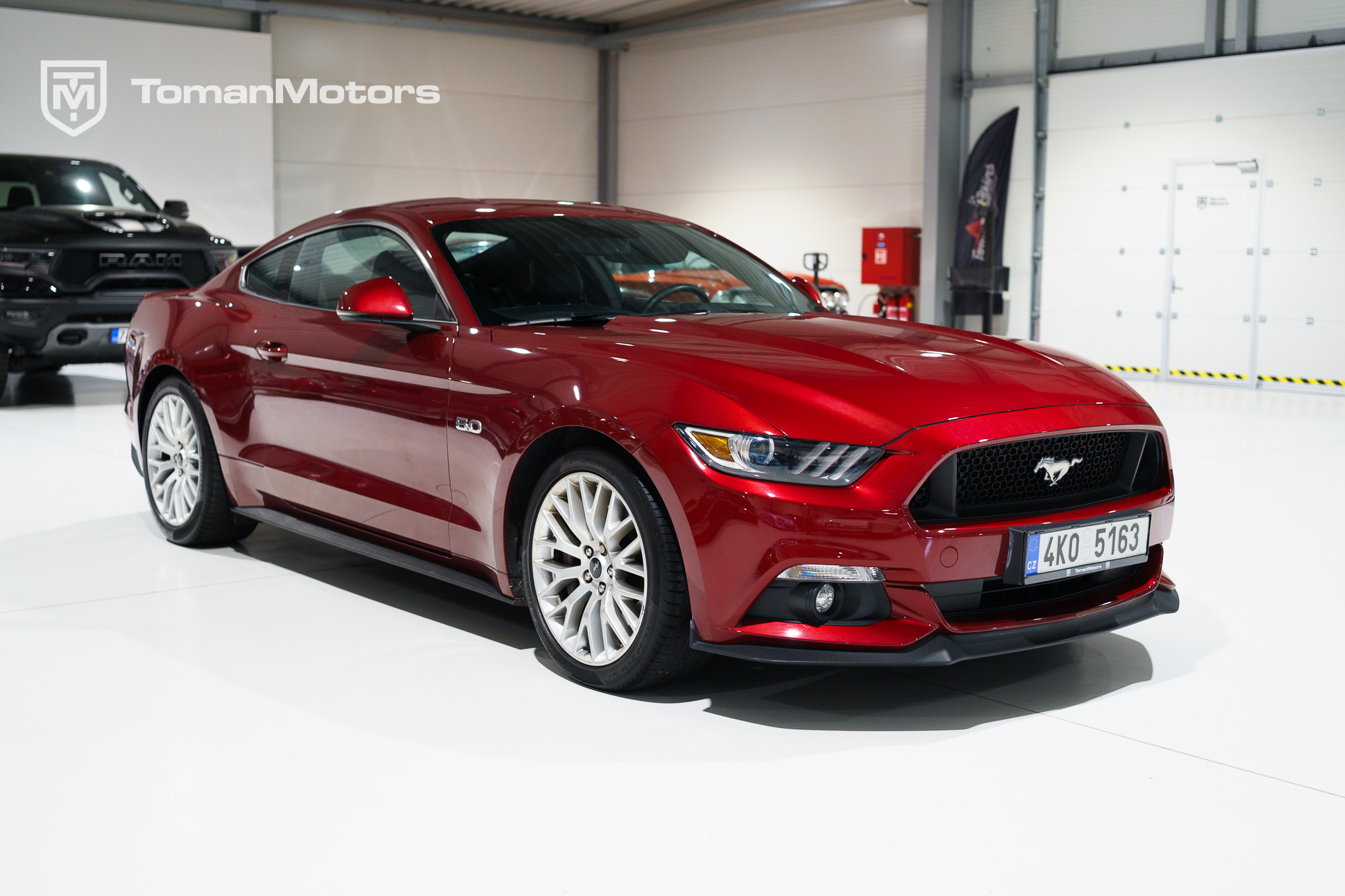
Ford Mustang GT Premium 5.0L V8, 18,800 km, one owner, 6-speed manual, EU spec, 2016
american-cars
family-cars
sports-cars

In Transit
RAM Hurricane Limited 540HP!!! Night Edition, RAMBOX, najeto 12tis km, v záruce do 6/2027, ... do 14dní k dispozici
american-cars
off-roaders

In Stock
RAM 1500 Laramie Night Premium Hurricane, RamBox, Multitailgate, 2025, demonstrator
american-cars
nova-vozidla
family-cars
sports-cars
off-roaders

In Transit
Ford Ranger Raptor, US verze, 400Hp, NEW, 2026
american-cars
hennessey
nova-vozidla
family-cars
sports-cars

In Stock
Ford Mustang Fastback V8, Orange, 1967
american-cars
family-cars
sports-cars
veterans

In Stock
Dodge Challenger Demon, 1,040 HP, only 500 km, 2023
family-cars
sports-cars

In Stock
RAM TRX Final Edition, 702 HP, only 680 km, 2025
american-cars
family-cars
sports-cars
off-roaders

In Stock
Mercedes-Benz 450 SL Convertible, 1978
family-cars
sports-cars
veterans

In Stock
Ford F-100 Ranger, 5.8L V8, 1978
american-cars
off-roaders
veterans

In Stock
Ford Mustang Mach 1, manual, 1969
american-cars
family-cars
sports-cars
off-roaders
In Stock
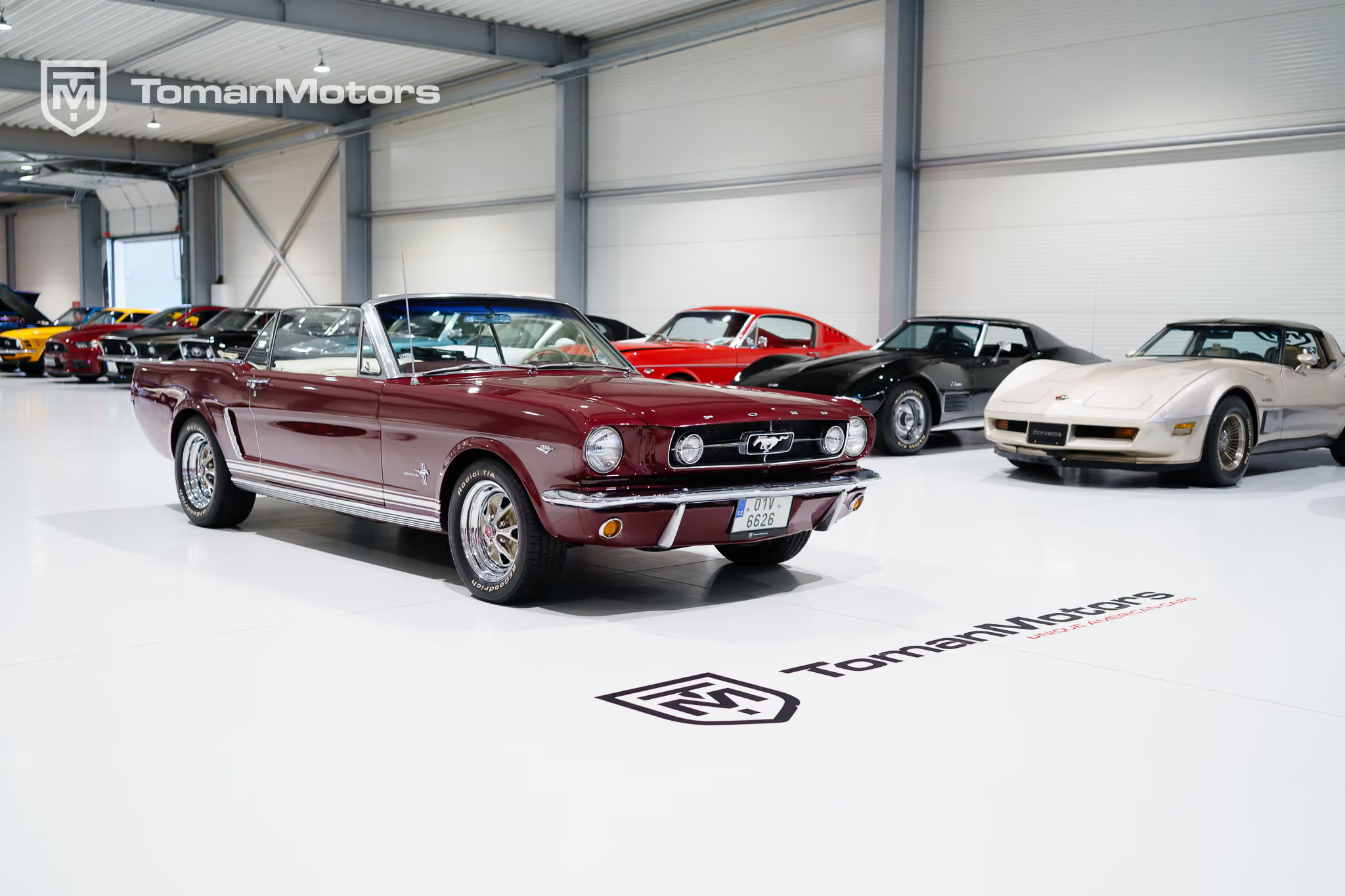
Ford Mustang Convertible, manual, 1965
american-cars
family-cars
sports-cars
veterans

In Stock
Mercedes-Benz 280 SL Pagoda, 1971
family-cars
sports-cars
veterans

In Transit
Ford Bronco Raptor / VelociRaptor Hennessey 500

In Stock
Hennessey Ford Bronco VelociRaptor 500 with 500 HP / 745 Nm, in the Czech Republic, on Czech plates
american-cars
hennessey
family-cars
sports-cars
off-roaders

Partner Stock
Chevrolet Camaro ZL1 1LE, 1500mil only, 2023
american-cars
family-cars
sports-cars

In Transit
Jeep Gladiator Rubicon, 3.0L V6 Diesel, overland special, 2022
american-cars
family-cars
sports-cars
off-roaders

Partner Stock
Hennessey Ford Bronco Silver Metallic, 2023
american-cars
family-cars
sports-cars
off-roaders

Partner Stock
Ford Mustang GT 5.0L V8 426Hp, 2016
american-cars
family-cars
sports-cars

Partner Stock
Hennessey package for Ford Mustang Shelby GT500, Venom 1000 HP / 1,152 Nm, Toman Motors
american-cars
hennessey
family-cars
sports-cars

In Transit
Hennessey package for Ford Mustang Dark Horse, 850 HP / 920 Nm, Toman Motors
american-cars
hennessey
family-cars
sports-cars

Partner Stock
Hennessey package for Ford Raptor R, VelociRaptor R 1,043 HP / 1,117 Nm, Toman Motors
american-cars
hennessey
family-cars
sports-cars
off-roaders

Partner Stock
Hennessey package for Ford Raptor, VelociRaptor 600 HP / 911 Nm, Toman Motors
american-cars
hennessey
family-cars
sports-cars
off-roaders

Partner Stock
Hennessey package for Ford Bronco Raptor, VelociRaptor 500 HP / 745 Nm, Toman Motors
american-cars
hennessey
family-cars
sports-cars
off-roaders

Partner Stock
Corvette C7 Z06 Hennessey 850Hp, 2019
american-cars
hennessey
family-cars
sports-cars
